When people think about air conditioning problems, they usually picture triple-digit temperatures. That’s why it can be confusing when your home feels uncomfortable on a relatively mild day in Albany. The thermostat says 72 degrees, the AC is running, yet the house still feels warm and sticky.
In many cases, humidity is the reason.
While Oregon isn’t known for the same humidity levels as the Gulf Coast or Southeast, periods of elevated moisture can still affect indoor comfort. When humidity rises, your air conditioner has to do more than cool the air. It also has to remove moisture, and that can make the system seem like it’s struggling even when temperatures aren’t extreme.
Why Humidity Changes How Your Home Feels
Your body cools itself through evaporation. When the air contains more moisture, that process becomes less effective.
That’s why a home at 72 degrees can feel comfortable one day and stuffy the next. The temperature hasn’t changed, but the humidity has. Many homeowners respond by lowering the thermostat. Unfortunately, that often increases energy use without fully solving the problem.
Your AC Has Two Jobs, Not One
Most people think of air conditioners as machines that lower temperature. They also remove moisture from the air.
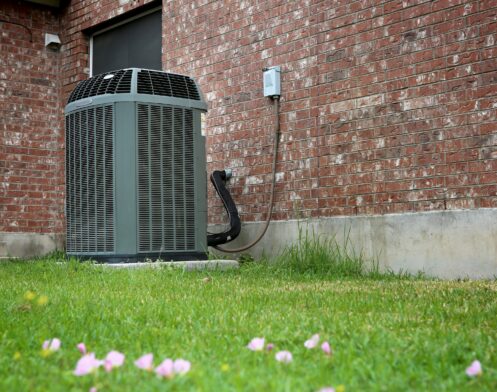
As warm indoor air passes over the evaporator coil, humidity condenses into water and drains away. During periods of higher humidity, the system has to spend more time removing that moisture before the house starts feeling comfortable.
That means your AC may run longer than usual even when outdoor temperatures are relatively moderate.
Why Some Homes Feel More Humid Than Others
Not every humidity problem is caused by the weather alone. The home itself can contribute to excess moisture.
Common humidity contributors:
- Air leaks around doors and windows
- Poor attic ventilation
- Moisture entering from crawl spaces
- Oversized AC systems that cycle too quickly
- Bathroom or kitchen ventilation issues
If humidity keeps finding its way inside, your AC has to work harder to keep up.
An Oversized AC Can Actually Make Humidity Worse
A system that’s too large for the home may cool the air quickly and shut off before removing enough moisture. The temperature drops, but humidity remains behind. The result is a house that feels cool but still clammy. This is one reason proper system sizing matters just as much as cooling capacity.
When Humidity Signals a Bigger Problem
If your home constantly feels damp, your AC runs for long periods, or certain rooms never seem comfortable, there may be an issue beyond the weather. Dirty coils, airflow restrictions, refrigerant issues, and drainage problems can all affect how effectively your system removes moisture from the air.
Addressing those issues often improves comfort far more than lowering the thermostat another few degrees.
Stay Comfortable in Your Albany Home This Summer
Even in Oregon’s generally mild climate, humidity can make a home feel warmer than it should. If your AC seems to be working harder than normal but comfort still falls short, excess moisture may be part of the problem. At Mike's Heating and Air, we help homeowners throughout Albany, OR, fix cooling and humidity issues that reduce comfort and increase energy costs.
If your home feels sticky, clammy, or uncomfortable even when the AC is running, Mike's Heating and Air can help uncover what’s causing the problem. Contact us today.